How does testosterone cream work?
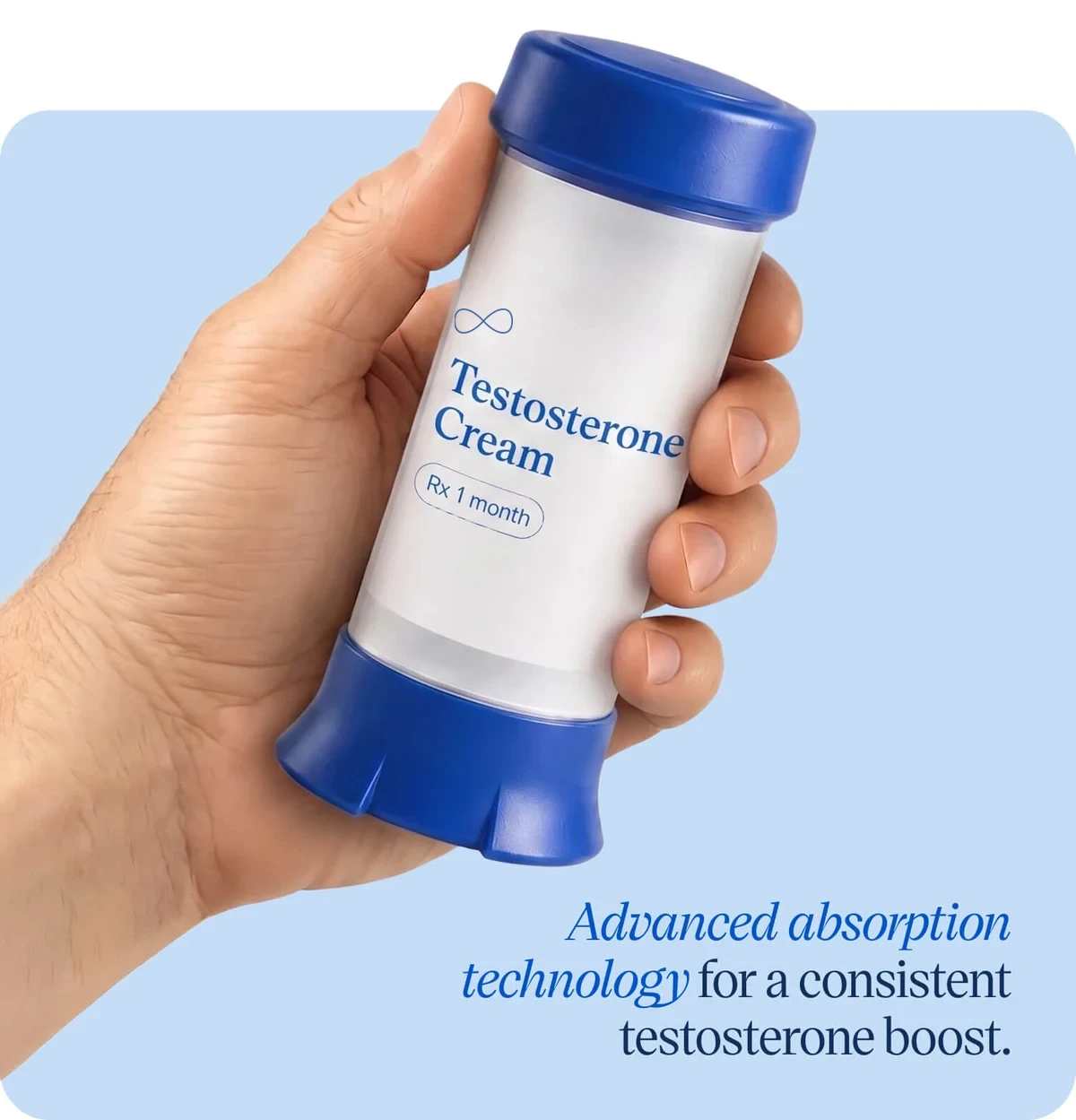
Testosterone cream delivers testosterone through the skin via daily application. It absorbs through the lymphatic system, avoiding liver circulation, and provides steady testosterone levels without injections.
How do I apply testosterone cream?
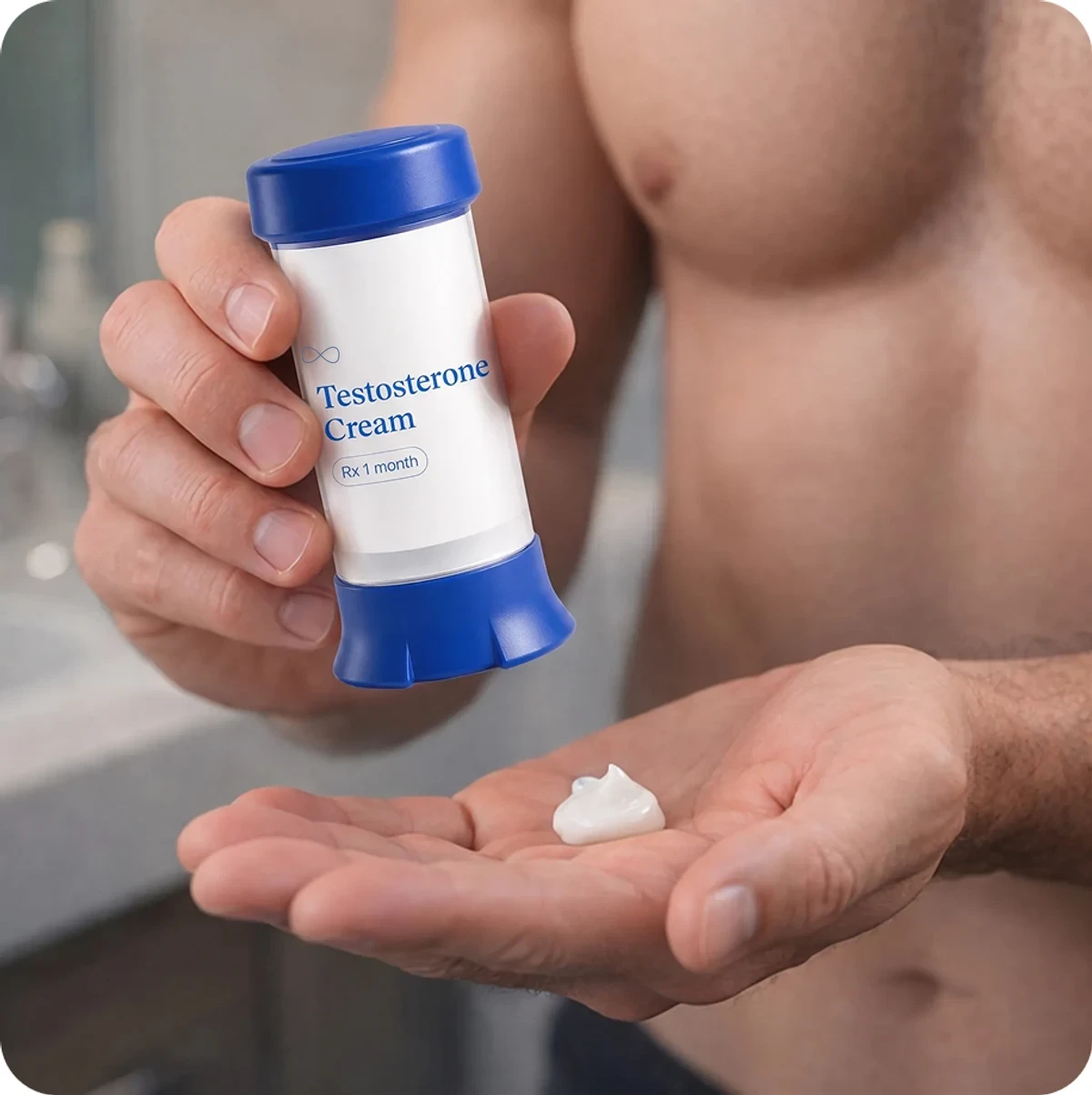
Apply the indicated amount once daily to areas with thin skin—such as the inner arms, wrists, lateral abdomen, inner thighs, or scrotum. Avoid fatty areas. Your Longevity clinician will provide specific instructions for consistent absorption.
When will I notice results from testosterone cream?
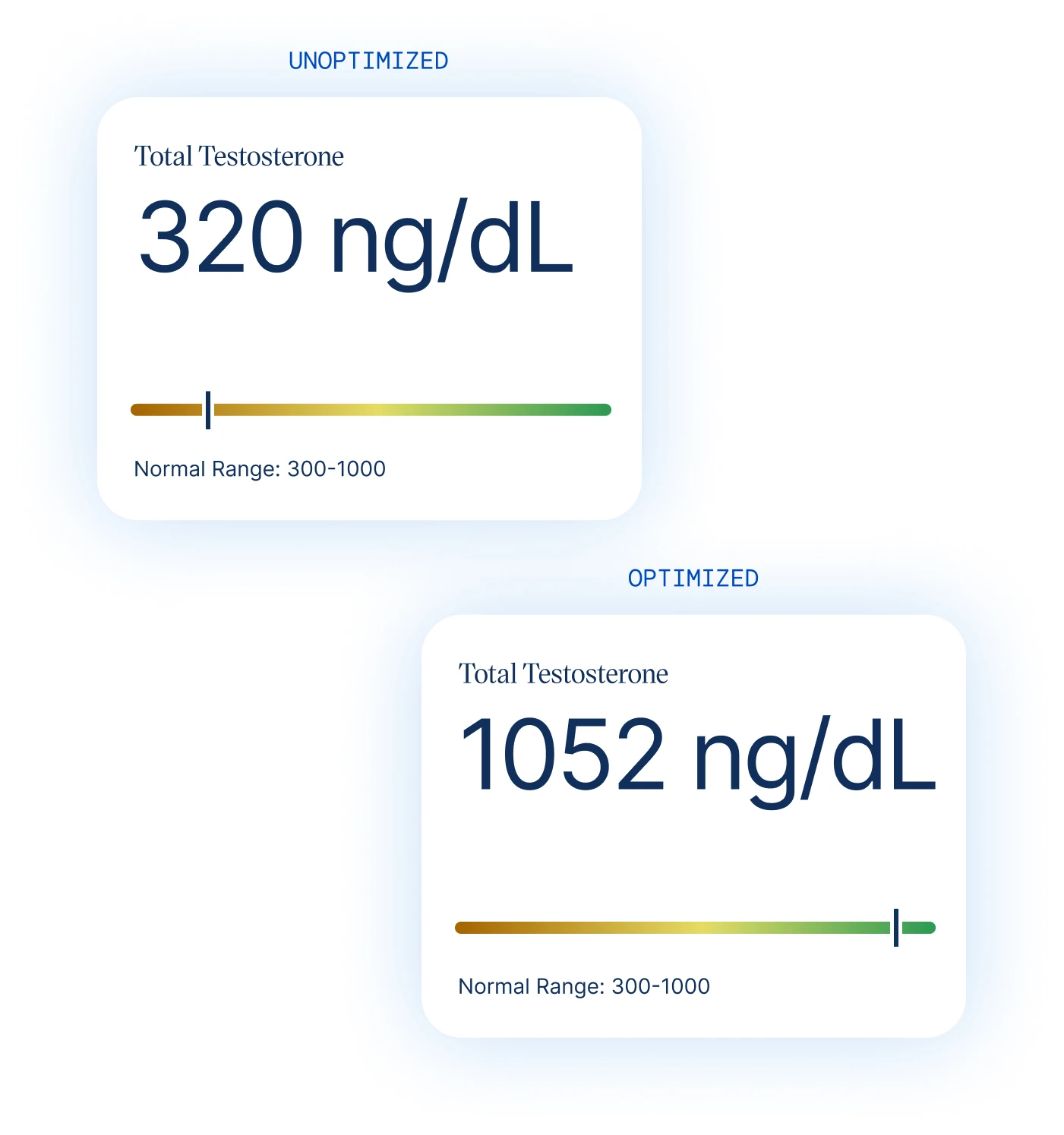
Testosterone cream has a fast absorption rate, with levels peaking within 2 hours after application. Most men notice improvements in energy, mood, and libido within the first few weeks, with full benefits building as levels stabilize over 2-3 months.
What are the potential side effects of testosterone cream?
Side effects may include acne or oily skin, changes in libido, mood fluctuations, fluid retention, or irritation at the application site. Testosterone cream may also increase hematocrit and hemoglobin levels, and can affect PSA in some men—this is why lab monitoring is important. Regarding hair loss: testosterone can convert to DHT, which may accelerate male-pattern hair loss in men who are genetically predisposed. If this is a concern, your clinician can discuss options like dutasteride.
Is there any risk of transference to children or women?
Yes, transference is possible. Wash your hands thoroughly after application and cover the area with clothing. For extra protection, you can wash the application site 2 hours after applying—any earlier may interfere with absorption.
Is testosterone cream safe for my liver?
Yes. Testosterone cream is absorbed through the lymphatic system, bypassing liver circulation. This avoids the hepatotoxic effects associated with some oral testosterone formulations. Elevations in liver enzymes—a sign of liver toxicity—are not seen with testosterone cream.
Will testosterone cream affect fertility?
Yes. As a form of TRT, testosterone cream can suppress your body's natural testosterone production and may reduce sperm production and fertility markers. If preserving fertility is a priority, discuss alternative options with your clinician.
Do I need lab work for testosterone cream?
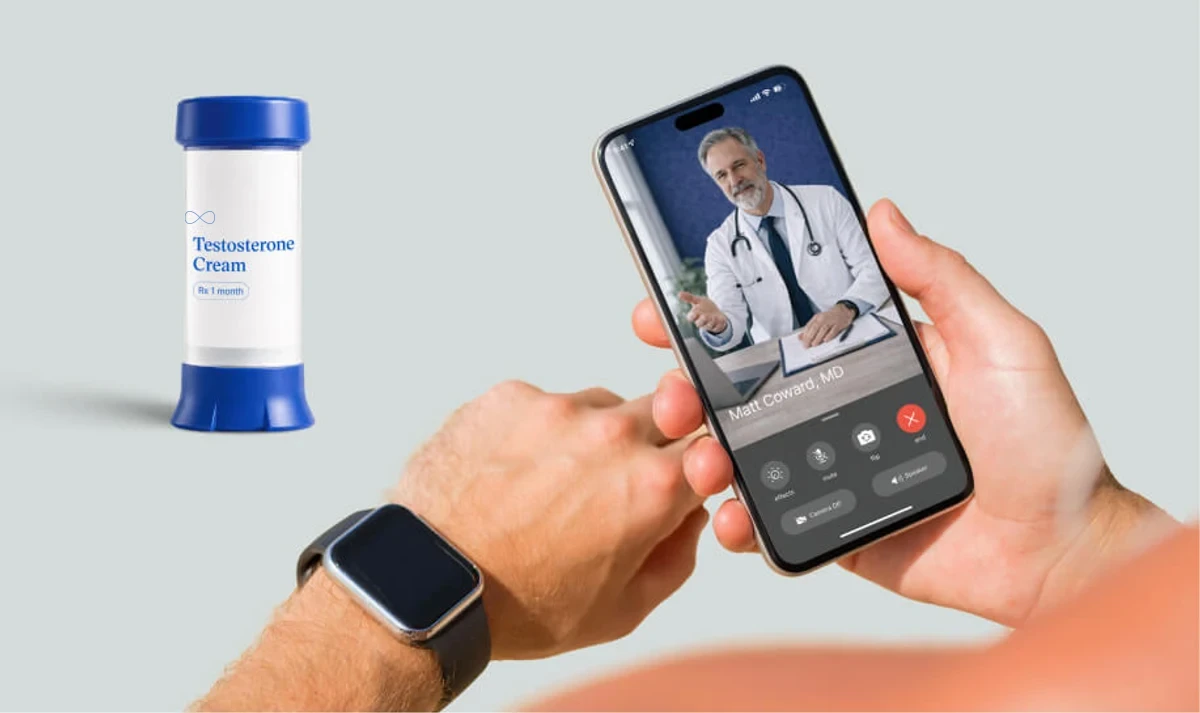
Yes. Lab testing is required to confirm eligibility, guide dosing, and monitor key health markers over time. If you have bloodwork from the last 6 months that includes Total Testosterone, SHBG (or free testosterone), LH, PSA, and Hematocrit, you can upload your results during the sign-up process.